

Optimize website’s technical configuration
Taking the time to optimize your website’s technical configuration can really make a difference in unleashing its full potential. By focusing on key strategies, you can not only reduce page load times but also enhance the responsiveness of your web server and improve resource delivery. These changes will provide your visitors with a smooth and fast experience, whether they’re using a desktop or a mobile device. It’s all about making sure your users have the best experience possible when they visit your site!
How to Optimize Your Website’s Technical Configuration
Let’s Talk About Reducing Page Load Times
In the fast-paced world of e-commerce and digital marketing, it’s easy to get wrapped up in things like advertising, content creation, and design. But there’s one crucial aspect you shouldn’t overlook: the performance of your website. Trust me, site speed isn’t just a minor detail; it can truly make or break your success. A faster website not only boosts conversion rates but also builds customer loyalty and enhances your visibility in search engine results.
With Google’s frequent updates focusing even more on quick-loading sites, taking the time to optimize your website can give you a significant edge over the competition. So let’s make sure your site runs smoothly and leaves a great impression on your visitors!
To boost your web server’s responsiveness and ensure a seamless user experience, consider these tips.
- Optimize Images: Make sure your images are the right size and format. This can significantly speed up load times!
- Use Caching Mechanisms: Setting up caching can help serve your content faster by storing frequently accessed data, thereby improving performance.
- Reduce HTTP Requests: Try to streamline your web pages to minimize the number of requests made to the server. Fewer requests mean quicker load times.
- Utilize a Content Delivery Network (CDN): A CDN can help deliver your site’s content more quickly by using a network of servers around the globe.
- Compress Files: Don’t hesitate to compress your files. Smaller files mean faster downloads for your visitors!
- Optimize Your Database: Regular database maintenance can improve its performance, resulting in faster response times.
- Minimize Redirects: Each redirect can slow down your site. Keep them to a minimum for a smoother experience.
- Monitor Server Performance: Keeping an eye on your server’s performance can help you identify and address issues before they affect your users.
- Upgrade Your Hosting Plan if necessary: If your traffic is growing, consider a more robust hosting plan to keep up with demand.
An optimized webpage loads quickly and offers a smooth, engaging user experience. First impressions matter—when visitors arrive, they should feel welcomed and encouraged to explore.
Don’t let the chance to connect with your audience slip away—To connect effectively with your audience, focus on reducing the server workload. This ensures your content is delivered quickly and efficiently.
Benefits of Web Performance Optimization
Web performance optimization offers businesses several benefits, including increased conversions, improved visibility, and enhanced usability.

Increased Conversions
When it comes to boosting conversions, think of website optimization as a way to create a more enjoyable experience for your visitors. By improving how your site functions, you make it easier for people to find exactly what they’re looking for, whether that’s making a purchase or signing up for a service. It’s all about guiding them smoothly along their journey and encouraging those desired actions. After all, a happy visitor is much more likely to become a satisfied customer!
More Visibility
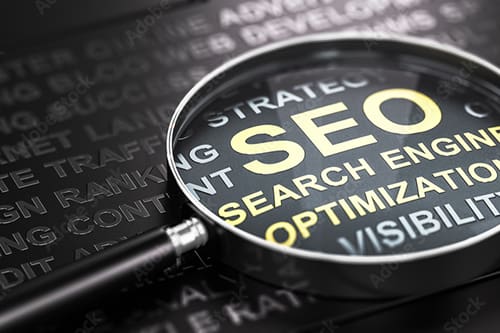
When it comes to getting noticed online, website optimization through Search Engine Optimization (SEO) is like giving your business a megaphone in a crowded room. By boosting your site’s ranking on search engine results pages (SERPs), you’re more likely to catch the eye of potential customers who are on the lookout for what you offer. This means more organic traffic flowing to your website, bringing along people who are genuinely interested in your products or services. It’s all about making those meaningful connections and growing your presence in the digital world.

Better Usability
When it comes to websites, usability is key. By optimizing your site, you can ensure it loads quickly, is easy to navigate, functions smoothly on all devices, and presents information clearly. This allows users to find what they need without any hassle, making their experience enjoyable and frustration-free. Ultimately, you want your audience to feel at home while browsing.

Key ways website optimization can boost conversions:
One of the best ways to really elevate your business is by optimizing the user journey on your website. Think about it—when you can gently guide your visitors toward the actions you want them to take, you’re making the most out of the traffic you already have. This means more sales and, ultimately, a more profitable operation for your business.
When we dive into web conversion, the benefits are pretty exciting. Imagine ramping up your revenue and return on investment (ROI) while also lowering your customer acquisition costs. Plus, enhancing the user experience makes it smoother and more enjoyable for everyone who visits your site.
Let’s take a moment to discuss the importance of lead generation in building your relationship with your audience.
When you invest your time in gathering valuable insights about your customers, you aren’t just collecting data; you’re developing a genuine understanding of what they truly need and want. This deeper connection sets you apart from the competition and can lead to higher conversion rates and more meaningful relationships with your audience. It’s all about creating that personal touch that really resonates with people.

To measure your website’s performance, you can begin by establishing baseline measurements.
The first step in improving your website’s performance is to establish baseline measurements that guide your optimization efforts. Various tools are available to assess and optimize a website’s technical configuration. Some popular options include Google PageSpeed Insights, GTmetrix, Lighthouse, WebPageTest, and YSlow. All of these tools are either free or offer free versions.
Once you have gathered data on your site’s current performance, you can begin the optimization process. If you need help, be sure to contact us!
Contact us, let’s start building something!
Ready to take your next step?
Grow your audience and build a profitable online business.
We love providing solutions that meet our clients’ goals and budgets.

What Is Performance Max
Have you heard about Google Ads Performance Max campaigns? They work on a pay-per-click (PPC) model, which means you only pay when someone clicks on your ad.

Email Marketing Tips
If you’re looking to improve your email marketing, try personalizing your content—it really makes a difference when people feel like you’re speaking directly to them.

Local Business Marketing Company
Local business marketing companies help local businesses thrive by promoting their products and services within specific communities.